
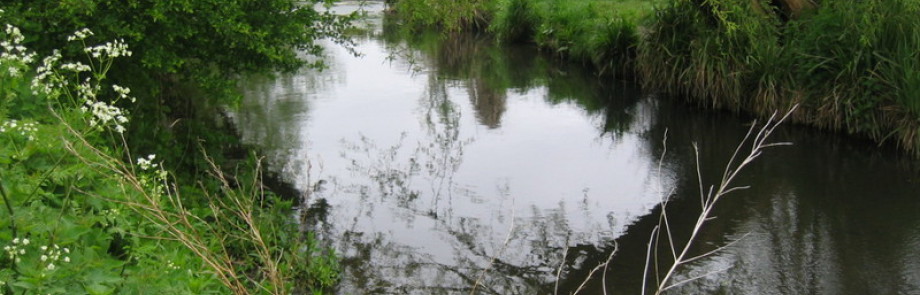
River Cray Catchment
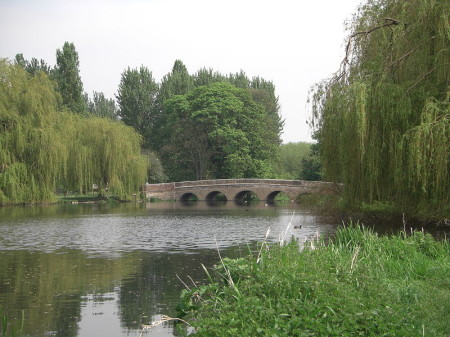 River Cray - Five Arches Bridge
The River Cray rises at Priory Gardens in Orpington in the London Borough of Bromley to the confluence with the River Darent on the Dartford and Crayford Marshes. The river covers a length of 9 miles (14km) from the source to the Darent.
The River Cray is a typical chalk river, fed by one main tributary the River Shuttle which joins the Cray just above the historic house and gardens of Hall Place.
The Cray receives important baseflow from groundwater within the underlying West Kent Darent and Cray chalk groundwater body. This groundwater body underlies the whole of the Darent and Cray surface
water catchment. The chalk groundwater is also heavily relied upon for drinking water supply and industrial abstraction. Improving and protecting the quality of the groundwater environment is
therefore important.
The Cray is a predominantly artificial river with many concrete lined sections and many weirs which obstruct natural migration. In addition the Cray is prevented reaching Good Status due to elevated
phosphate levels and contamination from groundwater.
The river is popular for fishing with a number of fishing lakes and with walkers who can take advantage of the numerous parks and the Cray Riverway Walk.
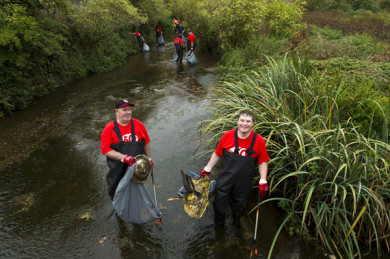 River Clean - Sidcup
Vision for the Cray
By 2027 we believe we can achieve Good Ecological Status/Potential in all water bodies in the Cray. This will mean a cleaner, more natural river which is less impacted by abstraction particularly in dry years.
In order to meet the needs of all who enjoy the river, we aim to achieve a mosaic of river habitats. Where possible we aim to see a natural river structure; incorporating meanders, pools and riffles to ensure that flow sensitive ecology can flourish. At the same time we aim to achieve a sustainable level of abstraction which meets the needs of society but maintains river flows in dry summers.
We recognise there are some issues where fuller discussion is required. For example balancing the impacts that impoundments have on fish migration whilst augmenting the aesthetic value and recreational benefits of the lakes created; establishing the right balance between weed clearance to manage flood risks whilst allowing river banks to provide a diverse habitat for valued species such as water vole.
Diffuse pollution poses the most long term risk to the rivers. Groundwater contamination will take a long time to improve but remedial activity will see a steady improvement in the quality of the water table. We also aim to reduce inputs of hydrocarbons and phosphates in the Cray and Shuttle to ensure that cleaner waters accompany habitat improvements.
River Cray Newsletter

Adobe Acrobat document [3.2 MB]
Have your say about the River Cray
Have your say about how you can help us to improve the River Cray, just click on the link below and fill in our online questionnaire.
The results of the survey will be fed in to the River Cray Catchment Plan.


Get involved!
Find out how by contacting us at:
North West Kent Countryside Partnership
Hall Place
Bourne Road
Bexley DA5 1PQ
Tel: 01322 621 239
E-mail:
nwkcp01@kent.gov.uk
or
sara.spellman@kent.gov.uk

Explore Kent
For further volunteering opportunities, please click on the link below:
 Print
Print 